Understanding the Evolution of Tooth Replacement
Restorative dentistry has evolved considerably, giving patients several options for replacing missing teeth and restoring oral function. Traditional solutions, such as bridges and dentures, remain suitable for many people, while modern treatments offer alternative approaches with different recovery times and long-term considerations. Understanding these options can help patients make informed decisions about their dental health and return to everyday activities such as eating and speaking comfortably.
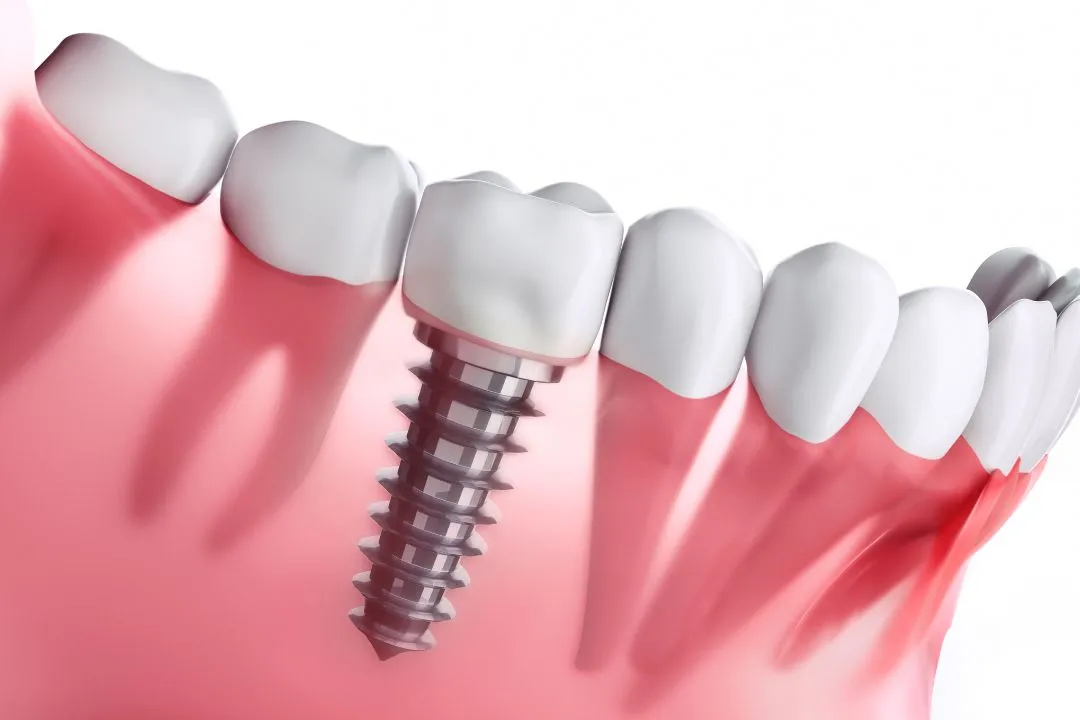
Dental implants Navan offer a fixed tooth replacement option designed to function like natural teeth. The implants are placed in the jawbone, where they gradually integrate with the surrounding bone through a process called osseointegration. This healing process can take several months, although the exact timeline varies depending on individual circumstances and whether additional procedures, such as bone grafting, are needed. While initial recovery may occur sooner, the final restoration is usually fitted once the dentist determines that healing has progressed sufficiently. A dental assessment can help establish whether implants are suitable and provide a realistic treatment and recovery plan.
The Biological Advantage of Osseointegration
One of the most compelling aspects of dental implants Navan practitioners and specialists worldwide now offer is their unique relationship with the jawbone. Unlike conventional prosthetics that rest atop the gums or rely on adjacent teeth for support, implants integrate directly with bone tissue through a process called osseointegration. This biological fusion creates a stable foundation that mimics the natural tooth root structure, providing benefits that extend well beyond the initial healing period.
The osseointegration process typically occurs over several months, during which titanium posts gradually bond with surrounding bone tissue. Whilst this might initially seem like an extended timeline, the crucial difference lies in what happens during and after this period. Patients can often resume many normal activities relatively quickly after the initial surgical placement, as the healing occurs beneath the gum line without requiring constant adjustments or modifications that traditional methods often necessitate.
Comparing Initial Recovery Periods
Dental Bridges: The Adjacent Tooth Consideration
Traditional dental bridges require the preparation of neighbouring teeth, which involves removing healthy enamel to create abutments for the prosthetic. When considering the differences between bridges and implants in modern dentistry, this preparation process represents a significant factor in recovery time. The alteration of adjacent teeth means multiple sites require healing, and patients often experience sensitivity across a broader area of the mouth during the initial weeks following placement.
Dentures: The Adjustment Journey
Removable dentures present their own unique recovery timeline, one that often extends considerably longer than patients initially anticipate. The fitting process requires multiple appointments for adjustments as the gums and underlying bone adapt to the prosthetic’s presence. Many denture wearers experience an extended period of discomfort, difficulty eating certain foods, and speech alterations that can persist for months. The ongoing nature of these adjustments means that recovery is less a distinct phase and more a continuous process of adaptation.
Furthermore, dentures can accelerate bone loss in the jaw over time, as they fail to provide the stimulation that natural tooth roots once delivered. This progressive change necessitates periodic refitting and replacement, creating a cycle of adjustment that some patients find frustrating. When exploring which tooth replacement option suits individual circumstances, this long-term consideration proves particularly relevant for younger patients or those seeking a more permanent solution.
Long-Term Recovery Benefits and Functional Restoration
The true advantage of dental implants Navan specialists and their counterparts globally provide becomes most apparent when examining long-term recovery outcomes. Once osseointegration completes, patients typically enjoy full functionality without the dietary restrictions that denture wearers must observe indefinitely. The ability to bite with natural force, consume a varied diet, and maintain oral hygiene with standard brushing and flossing represents a return to normalcy that traditional methods struggle to replicate.
Additionally, implants preserve jawbone density by providing the mechanical stimulation necessary for bone maintenance. This biological benefit means patients avoid the facial structure changes and subsequent prosthetic adjustments that often accompany traditional tooth replacement methods. The initial investment in healing time yields dividends in the form of stability and reduced need for future interventions, making the overall recovery journey shorter when viewed across a lifetime rather than merely the immediate post-procedure period.
Making an Informed Decision About Tooth Replacement
The choice between tooth replacement methods ultimately depends on individual circumstances, including overall health, bone density, and personal preferences. However, for those seeking the most appropriate solution for missing teeth, understanding recovery timelines provides crucial insight. Dental implants Navan providers offer represent a sophisticated approach that, whilst requiring patience during initial osseointegration, delivers accelerated functional recovery and long-term stability that traditional methods simply cannot match. The evolution of restorative dentistry continues to favour solutions that work with the body’s natural healing processes rather than against them.